

FOREX (Foreign Exchange)
A Forex (Foreign Exchange) market is the global market where traders buy and sell currencies such as EUR/USD, GBP/USD, and USD/JPY. It is the largest and most liquid financial market in the world, operating through the exchange of one currency against another. Prices constantly move based on factors like interest rates, economic data, geopolitical events, and central bank decisions.
Advantages:
High liquidity: The largest market in the world, allowing fast execution and easy entry/exit.
24-hour market: Open 24 hours a day, 5 days a week, across global trading sessions.

COMMODITIES
A commodities market is where traders buy and sell natural resources such as gold, oil, silver, and gas. These assets are essential to the global economy and their prices are mainly driven by supply and demand, geopolitical events, and economic conditions.
Advantages:
High volatility: Prices move strongly, creating many trading opportunities.
Inflation protection: Assets like gold can hold value during rising inflation.
Diversification: Helps balance a portfolio by reducing overall risk.
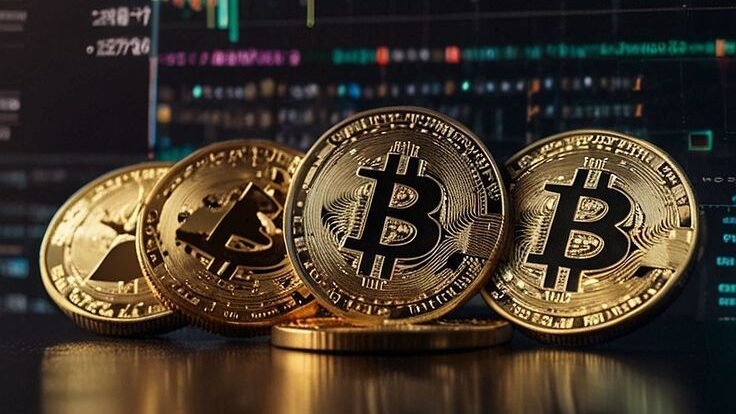
CRYPTO (Cryptocurrencies)
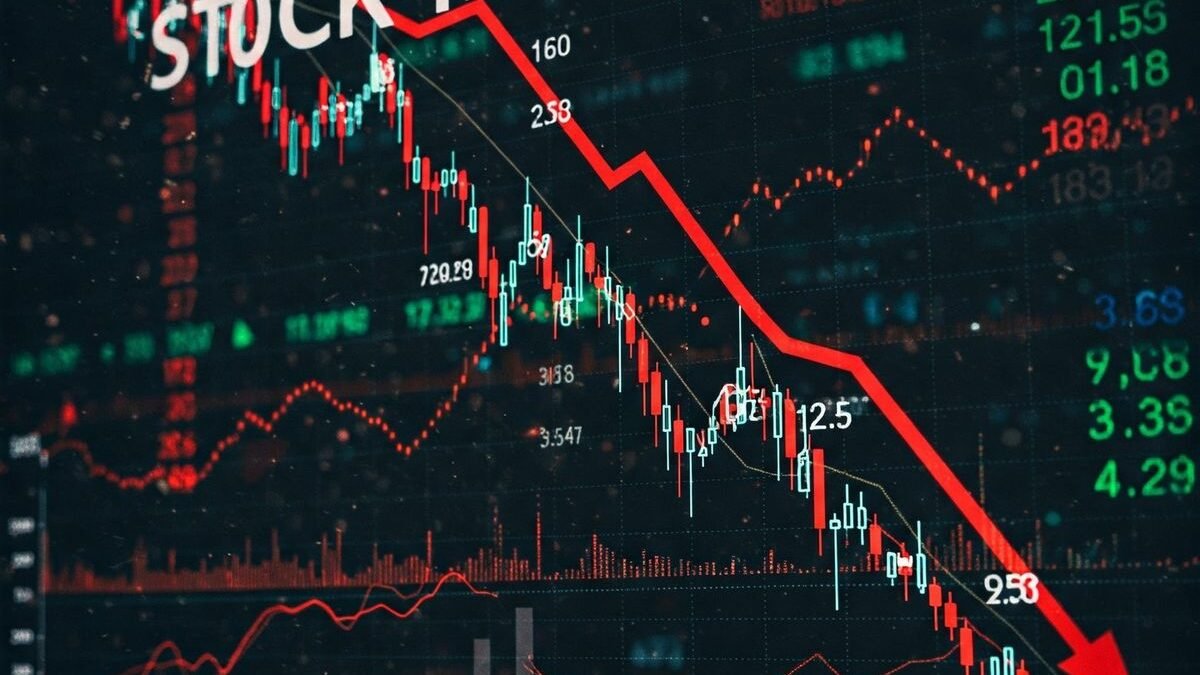
STOCK & INDICES
Stocks represent shares of individual companies such as Apple, Tesla, or Amazon. When you trade stocks, you are speculating on the price movement of a single company based on its performance, earnings, and market news. Stock prices are influenced by company results, industry trends, and investor sentiment.
Indices represent a group of stocks combined into one instrument, such as the S&P 500 or NASDAQ. They measure the overall performance of a market or sector rather than a single company.
Advantages:
Stocks: High precision trading, strong opportunities
Indices: Diversified exposure, lower risk compared to single stocks